When someone asks ChatGPT for a restaurant or a hotel in Lagos, it gives a short list, and a place that is not on it loses the booking without knowing a guest was looking. ChatGPT names the places it can find on the open web, read as plain text, and see described the same way in reviews and listings. Most Lagos restaurants fail on reading: the menu is a photo on Instagram, the hours differ between the website and Google, and the area is missing. Put the menu, hours, area and booking details on one page in text, make the Business Profile agree, ask for real reviews, and check the answer monthly.
It is Friday evening. Someone new to Lekki types into ChatGPT: "good place for grilled fish in Lekki that is open late". A visitor landing at the airport types: "hotel near Ikeja airport with good food and steady power". Each gets a short list of names with a line about each, and if the chat searched the web, links to the pages it read. The places on that list get the table and the room. The places not on it never hear that anyone was looking.
Restaurants and hotels feel this before most businesses, because the question is urgent and local and the person asking wants one answer, now. This post is for the owner or manager of a restaurant, a lounge, a bakery, a hotel or a short-let in Lagos who wants to know why some places get named and what their own pages need to say.
What happens when someone asks ChatGPT where to eat?
ChatGPT keeps no list of restaurants. When it needs current information it searches the web with its own crawler and builds an answer from the pages it finds. OpenAI's crawler documentation, read on 4 November 2026, names that crawler, OAI-SearchBot, and says it is the one that surfaces websites in ChatGPT's search features. A site that blocks it does not appear in those results.
So the list a diner reads is a summary of things that already exist on the open web: your website if the crawler can read it, your Google Business Profile, review sites, food blogs, directory listings and whatever people have written about you in public. Nothing inside that list is paid for. OpenAI's help page on ads, read the same day, says ads appear below the response and that advertisers have no ability to shape, rank, or alter ChatGPT's responses.
We are not going to print the answer we got for a Lagos restaurant question. It changes from day to day and from account to account, and we do not name a Nigerian business in a negative light here, which "left off the list" would be. Run the question yourself. It takes two minutes, and your result is the one that matters to you.
Why does it name one restaurant and skip another?
A restaurant gets named when three things are true at once. The engine can find it, because there is a public website and the crawler is allowed in. The engine can read it, because a page states in plain text what the place serves, where it is, when it is open and how to book. And the engine can trust it, because the Business Profile, the reviews and the listings say the same facts as the website.
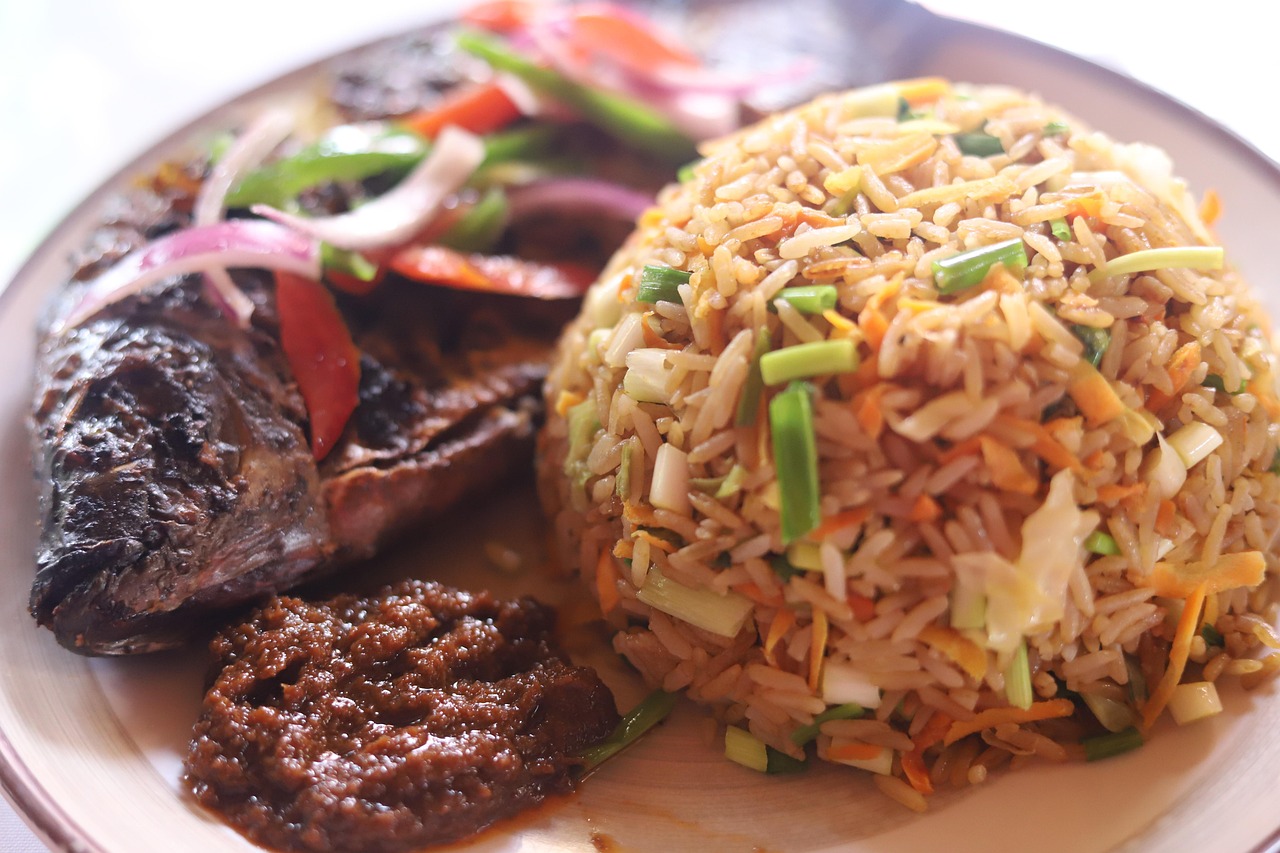
Most Lagos restaurants fail the second test, and the reason is usually the menu. The menu lives on Instagram as a photo, or on the website as a scanned image, or as a downloadable file nobody has updated since the last price rise. A photo of a menu is a picture. OpenAI's crawler documentation says nothing about reading text out of pictures, so the safe assumption is that the answer never sees it. The diner asked for grilled fish open late, and the only place that said "grilled fish" and "open until midnight" in typed words is the place that got quoted.
Hours are the second common failure. The website says the kitchen closes at ten, the Business Profile says eleven, and an old directory says nine. Faced with three answers, the engine either picks one or hedges, and a hedge reads as "check before you go", which sends the diner to the next name on the list.
The research points the same way. In a paper presented at KDD 2024, Aggarwal and colleagues tested which changes to a page made generative engines more likely to use it, and the authors report that adding citations, quotations and statistics raised a page's visibility in the answers by up to 40% in their benchmark. For a restaurant the lesson underneath is simple: concrete, quotable facts get used, and mood photography does not.
What a restaurant or hotel has to do, in order
- Ask the questions your customers ask. Open ChatGPT and type three questions in a customer's words, using your food or your service and your area, and never your name. The dish you most want to be known for, the occasion that fills your tables (a birthday dinner, a work lunch, late-night food), and the practical question (open on Sunday, has parking, takes bookings for twenty). Save the answers with the date. You will see your name, a wrong fact about you, or nothing, and each one tells you where to start.
- Put the menu on your website as typed text. One page, with every dish named in the words your customers use, a short description, and a price or a price range. Say which items are available at lunch only or at weekends only. Keep the Instagram post for your followers and update both on the same day. When this is done, you can paste the page into ChatGPT yourself and ask it what you serve, and it will tell you correctly.
- Put the facts a guest decides on in the first paragraph of the home page. What you serve, the area with a landmark a Lagos driver would recognise, opening hours for each day, whether you take bookings and how, whether there is parking, and one phone number. For a hotel or short-let: room types, a starting rate or how to get one, check-in and check-out times, what is included, and how to book directly. When this is done, someone who reads only that paragraph has enough to call you.
- Make the Business Profile agree with the website. Same name, same address, same phone number, same hours, including holiday hours when they change. Google's guidelines for Business Profiles, read on 29 October 2026, ask for the business's real-world name and the fewest and most specific categories, so "Seafood restaurant" beats "Restaurant" if seafood is what you are known for. Add current photos of the food, the room and the entrance so a guest can find the door. Google's own page on its AI features lists keeping Business Profile information up to date among the practices that help. When this is done, the panel beside a Google search for your name says what your website says.
- Ask real customers for reviews, in their own words. A review that says "the grilled croaker was worth the wait and they were open past midnight" carries the facts a later diner asks about. Ask at the table or in the WhatsApp message after a booking. Never write one yourself and never pay for one. When this is done, the reviews start to repeat the things you want to be known for.
- Let the crawler in. Ask whoever manages the website to open the file at yourdomain.com/robots.txt and confirm that OAI-SearchBot, PerplexityBot and Googlebot are allowed. Some security plugins block every crawler they do not recognise. OpenAI's documentation says a change to that file takes about 24 hours to be noticed, and Perplexity's page says up to 24 hours. When this is done, nothing changes on the day, and that is expected.
- Ask the same questions next month. Same three questions, same engines, same day of the month. Record who is named and what is said about you. You will see your name where it was not, a wrong fact that has gone, or no change, which usually means the menu page or the profile is still unfinished.
What if you only have an Instagram page?
Then you have no page the crawler can read as your own, and the answer is built from whatever others have written about you. That can work for a famous spot that food bloggers write about every month. For everyone else it means the answer has nothing to quote.
You do not need a large website. One page with the menu in text, the hours, the area, the phone number and a booking link is enough to start, and it can sit beside the Instagram page rather than replace it. When it is up, link to it from the Instagram bio and the Business Profile, so all three point at the same facts.
What the page should not do
It should not promise what the kitchen cannot deliver. If the menu page says suya is available every night and it runs out by nine, the reviews will say so, and the engine reads reviews. It should not repeat "best restaurant in Lekki" nine times; a page written for a machine reads that way to the machine too. And it should not carry a review you wrote yourself.
Why this is worth an evening now
Diners are already asking. The numbers below are for the United States, because no comparable survey of Nigerian diners exists yet. BrightLocal's Local Consumer Review Survey 2026 found that AI is now the third channel US consumers use to discover local businesses.
A diner who trusts the answer as much as a review goes to the first place named and does not search again. The places on that list typed out their menu, made their hours agree, and let their customers do the talking.
Want to see what the machines tell your diners?
Our free AI Visibility checklist covers the 12 checks behind this post, starting with what ChatGPT, Gemini, and Google actually say when someone asks for a place like yours. Enter your email and we will send it over.
✓ Check your inbox, your checklist is on the way!
We respect your privacy. Unsubscribe at any time.
ChatGPT names the restaurants and hotels it can read and see confirmed elsewhere, and a menu that exists only as a photo gives it nothing to read. Put the menu, the hours, the area and the way to book on one page in plain text, make every listing say the same, and ask the question again next month.
One forward before you go: open ChatGPT tonight and type the question a hungry customer would type, with your type of food and your area and never your restaurant's name. Screenshot the answer and send it, with this post, to whoever runs your website or your Instagram page.
Frequently asked questions
Is this the same as SEO?
It overlaps, and a developer who says so is right. A menu in text, consistent hours and a well-kept Business Profile have been part of local SEO for years. The difference is what gets measured. SEO measures rankings and clicks. The test in this post measures whether your restaurant's name appears in the answer when someone asks ChatGPT where to eat, which no SEO dashboard reports.
Can I pay ChatGPT to put my restaurant on the list?
You can buy an ad, and you still cannot buy the recommendation. OpenAI's help page on ads in ChatGPT, read on 4 November 2026, says ads appear only for people on its Free and Go plans and that advertisers have no ability to shape, rank, or alter ChatGPT's responses. An ad is a labelled box under the answer. The names inside the answer come from the pages, profiles and reviews the engine can read.
My menu is on Instagram. Is that enough?
It is not enough to count on. A menu posted as a photo is a picture, and OpenAI's crawler documentation says nothing about reading text out of pictures, so treat the photo as invisible to the answer. Keep the Instagram post for your followers and put the same menu on your website as typed text, with prices or price ranges, and update both on the same day.
Does this work the same way for a hotel or a short-let?
The steps are the same with different facts. A guest asks for a hotel near the airport, a quiet place in Ikoyi, or somewhere with a pool and generator power all night. The page that gets quoted states the room types, a starting rate or how to get one, check-in and check-out times, the area with a landmark, what is included, and how to book directly.
Do I need restaurant schema markup?
Not to begin with. Google's guide to its generative AI features says structured data isn't required for generative AI search, and OpenAI's crawler page says nothing about structured data at all. Once the menu page is right, a developer can add schema.org Restaurant markup (what practitioners file under GEO or AEO), which has fields for the menu, the cuisine and whether you take reservations, as a machine-readable copy of facts already on the page.
How long before ChatGPT starts naming my restaurant?
Nobody can give you a date, because OpenAI publishes no timeline for how quickly a new or changed page is picked up, and neither do Google or Perplexity. OpenAI's documentation gives one figure only: a change to the crawler permissions file takes about 24 hours to be noticed. Everything else is measured by asking the same questions each month and writing down who is named.
References & sources
- OpenAI, OpenAI bots documentation (OAI-SearchBot, OAI-AdsBot, GPTBot, ChatGPT-User) (read 4 November 2026: OAI-SearchBot surfaces websites in ChatGPT's search features; about 24 hours for a robots.txt change; nothing about images or structured data)
- OpenAI Help Center, Ads in ChatGPT (read 4 November 2026: Free and Go plans; advertisers have no ability to shape, rank, or alter ChatGPT's responses)
- Google Search Central, AI features and your website (a page must be indexed and eligible to be shown with a snippet; keep Business Profile information up to date)
- Google Search Central, Guide to optimizing for generative AI features on Google Search (read 4 November 2026: 'Structured data isn't required for generative AI search')
- Google Business Profile Help, Guidelines for representing your business on Google (read 29 October 2026: real-world name, fewest and most specific categories, customer-facing hours)
- Perplexity, Perplexity crawlers (PerplexityBot, Perplexity-User) (read 4 November 2026: up to 24 hours for changes)
- Schema.org, Restaurant type (read 4 November 2026: hasMenu, servesCuisine, acceptsReservations, openingHoursSpecification)
- Aggarwal et al., GEO: Generative Engine Optimization (KDD 2024)
- Pew Research Center, Americans and AI 2026 (5,119 US adults, February 2026)
- BrightLocal, Local Consumer Review Survey 2026 (1,002 US adults)